
Data Retention Policy Enforcement
-
0 sales
- 287 views
- Save
0 /5.0
User review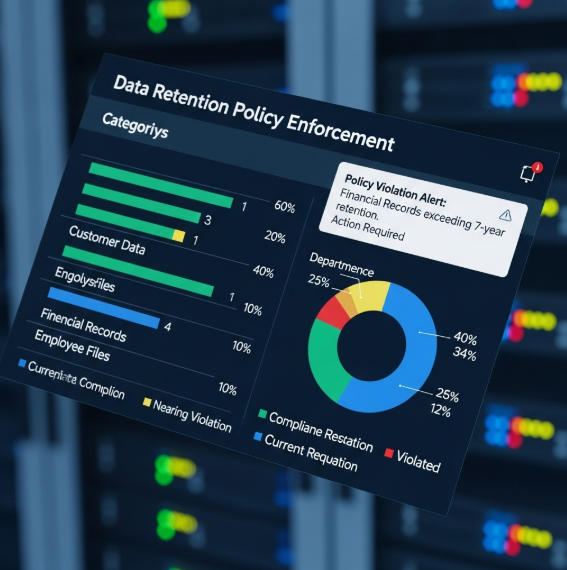



Data Retention Policy Enforcement – Full Scope
1. Discovery & Audit
- Identify all systems and data repositories storing customer, employee, and business data
- Classify data types (personal, financial, operational, marketing, etc.)
- Map existing retention practices against legal, regulatory, and business requirements
2. Policy Development
- Define retention periods for each data category based on compliance needs (e.g., GDPR, HIPAA, tax laws)
- Establish criteria for data deletion, anonymization, or archival
- Document exceptions for legal holds, audits, or security investigations
3. System Integration & Automation
- Configure CRM, ERP, and data warehouses with automated retention schedules
- Implement rules that archive or delete data past its retention period
- Integrate with cloud storage and backup solutions for lifecycle management
4. Access Control & Security
- Restrict access to archived or expiring data to authorized personnel only
- Apply encryption to sensitive data during storage and before deletion
- Ensure secure data destruction methods (digital shredding, certified wipe)
5. Monitoring & Compliance Reporting
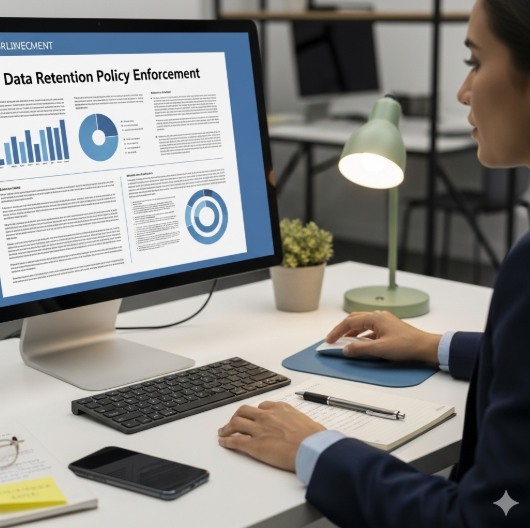
- Track policy enforcement across systems with centralized dashboards
- Maintain audit logs of data deletion and retention actions
- Generate compliance reports for regulators, auditors, and stakeholders
6. User Rights Management
- Align retention rules with user requests (data deletion, access, portability)
- Ensure DSAR (Data Subject Access Request) handling complies with timelines
- Provide self-service options for users to manage their data where applicable
7. Training & Governance
- Educate employees on retention requirements and legal implications
- Establish governance committees to oversee updates and exceptions
- Maintain documented workflows for periodic review and audits
8. Continuous Review & Optimization
- Reassess policies annually or when regulations change
- Monitor storage costs and optimize data lifecycle management
- Improve automation and exception handling for greater efficiency
Additional services
-
0 $
-
0 $
-
0 $
-
0 $
-
0 $