
Marketing Attribution Modeling Setup
-
0 sales
- 280 views
- Save
0 /5.0
User review

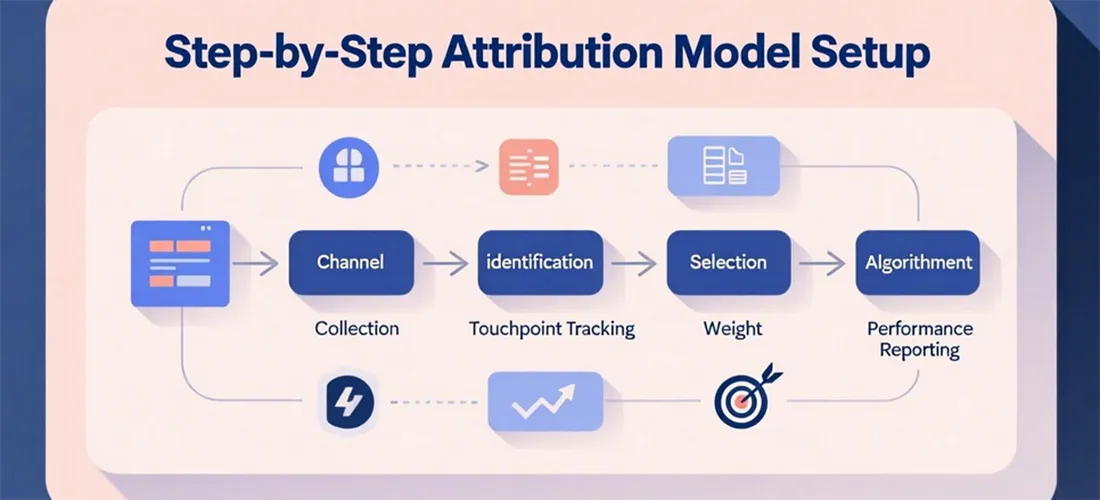


Scope of Work: Marketing Attribution Modeling Setup
1. Discovery & Audit
- Review client’s current marketing channels and campaigns.
- Audit tracking setup (UTMs, pixels, CRM integrations, analytics tools).
- Identify key conversion points (leads, demo requests, purchases, renewals).
- Define business goals (optimize spend, identify high-ROI channels, reduce CAC).
2. Strategy & Planning
- Select attribution model types based on client goals:
- First-touch
- Last-touch
- Linear
- Time-decay
- Position-based (U-shaped, W-shaped)
- Data-driven (algorithmic/ML-based)
- Decide on reporting scope (channel-level, campaign-level, keyword-level).
- Define KPIs: CAC, ROAS, LTV, MQL→SQL conversion, pipeline contribution.
3. Data Integration
- Connect all relevant platforms:
- CRM (HubSpot, Salesforce, Zoho)
- Analytics tools (Google Analytics 4, HubSpot Analytics, Mixpanel)
- Ad platforms (Google Ads, Meta, LinkedIn, TikTok, programmatic)
- Marketing automation (HubSpot, Marketo, Klaviyo)
- E-commerce/POS systems if applicable
- Standardize UTM parameters and campaign naming conventions.
- Enable cross-device and cross-channel tracking.
4. Model Implementation
- Configure chosen attribution models in analytics or BI tools.
- Set up multi-touch attribution in CRM/marketing automation platform.
- Apply custom weights for touchpoints based on client business logic.
- Ensure data is synced in real-time or at scheduled intervals.
5. Testing & QA
- Validate data accuracy across all platforms.
- Test conversions from multiple sources to ensure proper attribution.
- Confirm UTM tagging and campaign tracking consistency.
- Run pilot reports to cross-check attribution results with raw data.
6. Reporting & Dashboards
- Build attribution dashboards in BI tools (Tableau, Power BI, Looker, HubSpot).
- Provide insights into:
- Top-performing channels
- Multi-channel customer journeys
- Assisted conversions
- ROI by campaign and channel
- Enable drill-down views for campaign managers and executives.
7. Optimization
- Use insights to reallocate marketing budgets toward high-ROI channels.
- Adjust campaigns based on assisted conversion impact.
- Compare performance under different attribution models.
- Implement predictive modeling for forecasting marketing ROI.
8. Ongoing Monitoring & Support
- Continuous data quality monitoring.
- Regular attribution model reviews as customer journey evolves.
- Quarterly strategy sessions to adjust weights, models, and KPIs.
- Training sessions for marketing and sales teams on interpreting reports.
Value Delivered
- Clear understanding of which channels and campaigns drive revenue.
- Optimized marketing spend with reduced wasted budget.
- Data-backed decision-making for campaign strategy.
- Improved alignment between sales and marketing teams.
- Scalable attribution system that evolves with business growth.
Additional services
-
0 $
-
0 $
-
0 $
-
0 $
-
0 $