
Customer Lifetime Value Reporting
-
0 sales
- 325 views
- Save
0 /5.0
User review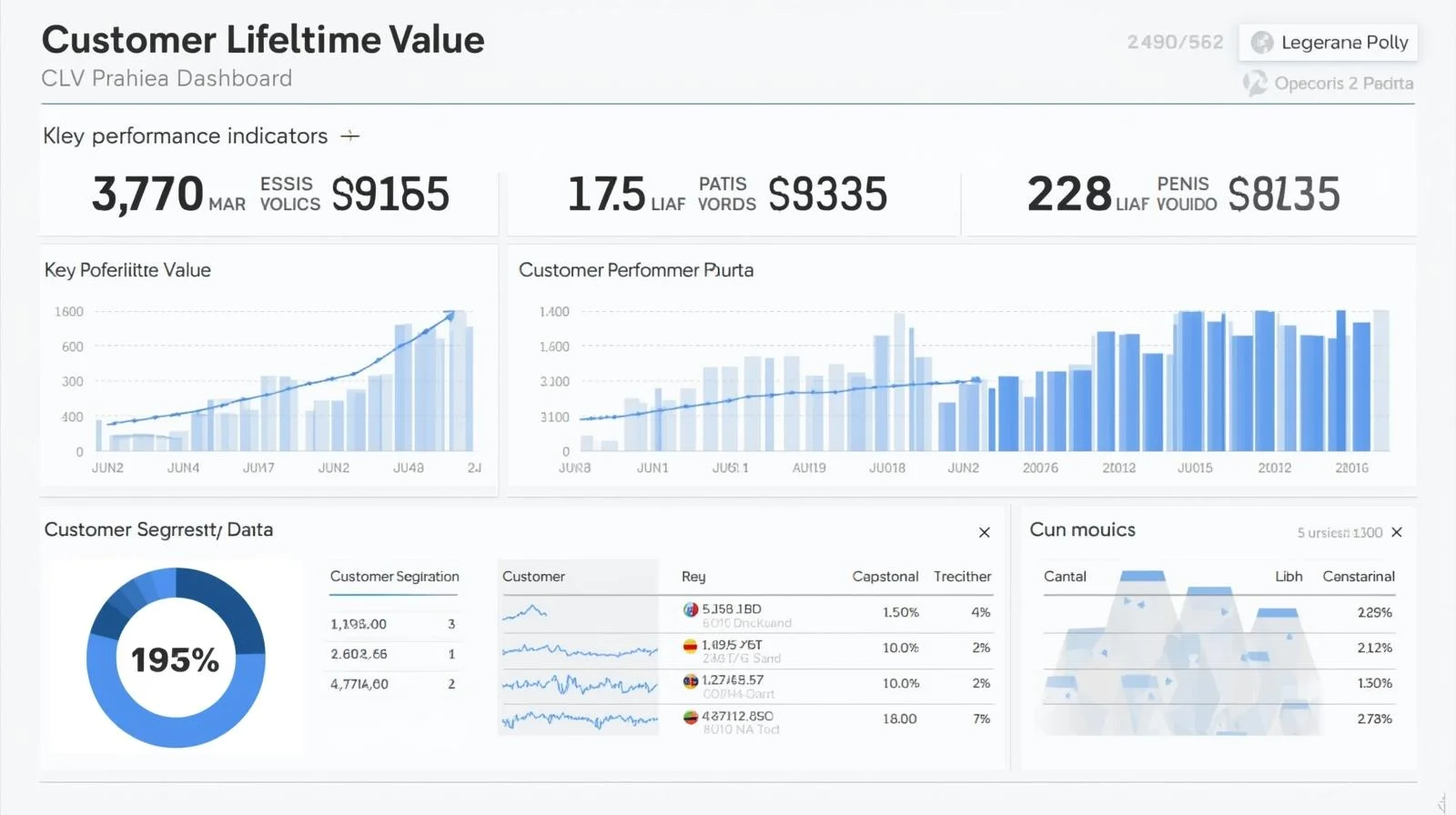
1. Discovery & Goal Alignment
-
Conduct workshops with marketing, sales, and finance teams to define CLV objectives.
-
Clarify use cases (e.g., customer segmentation, retention strategy, pricing optimization, marketing ROI tracking).
-
Establish baseline CLV assumptions (purchase frequency, average order value, churn rate).
-
Align reporting framework with overall growth, retention, and profitability goals.
2. Data Integration & Preparation
-
Consolidate customer data from CRM, ERP, e-commerce, subscription platforms, support, and marketing systems.
-
Cleanse and normalize records for consistency across touchpoints.
-
Enrich customer profiles with behavioral, demographic, and transactional data.
-
Set up automated pipelines to keep CLV data continuously refreshed.
3. CLV Modeling Approaches
-
Implement different models depending on business needs:
-
Historical CLV → based on past transactions and interactions.
-
Predictive CLV → uses machine learning to forecast future customer value.
-
Segmented CLV → breaks CLV down by cohorts (e.g., industry, geography, acquisition channel).
-
-
Build flexible frameworks that can adapt as new data becomes available.
4. Segmentation & Cohort Analysis
-
Segment customers by CLV tiers (high, medium, low).
-
Identify high-value cohorts (e.g., long-term subscribers, frequent buyers).
-
Analyze acquisition channels by lifetime value (paid ads vs. referrals vs. organic).
-
Track how CLV differs by product line, geography, or customer type.
5. Reporting & Dashboards
-
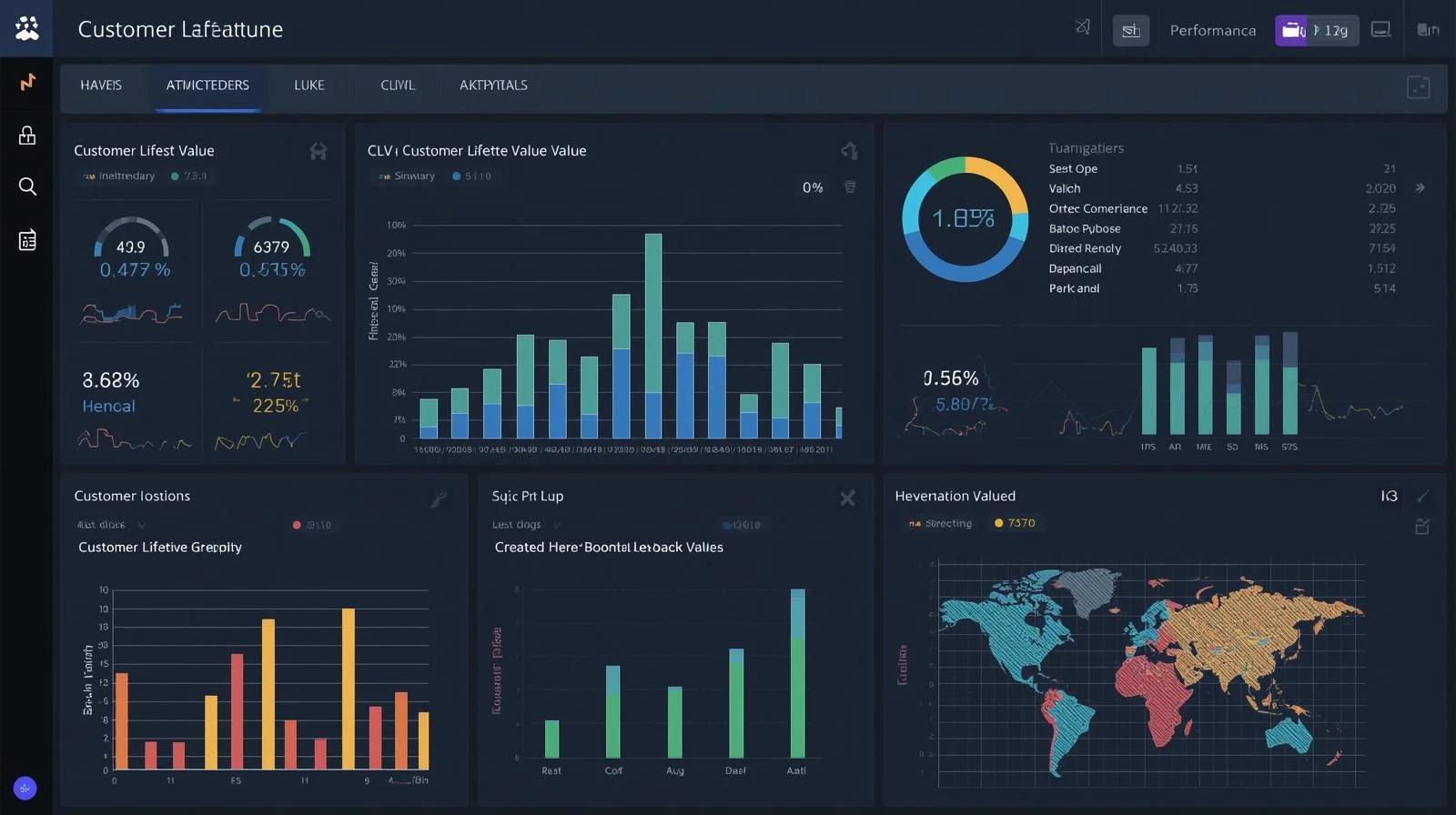
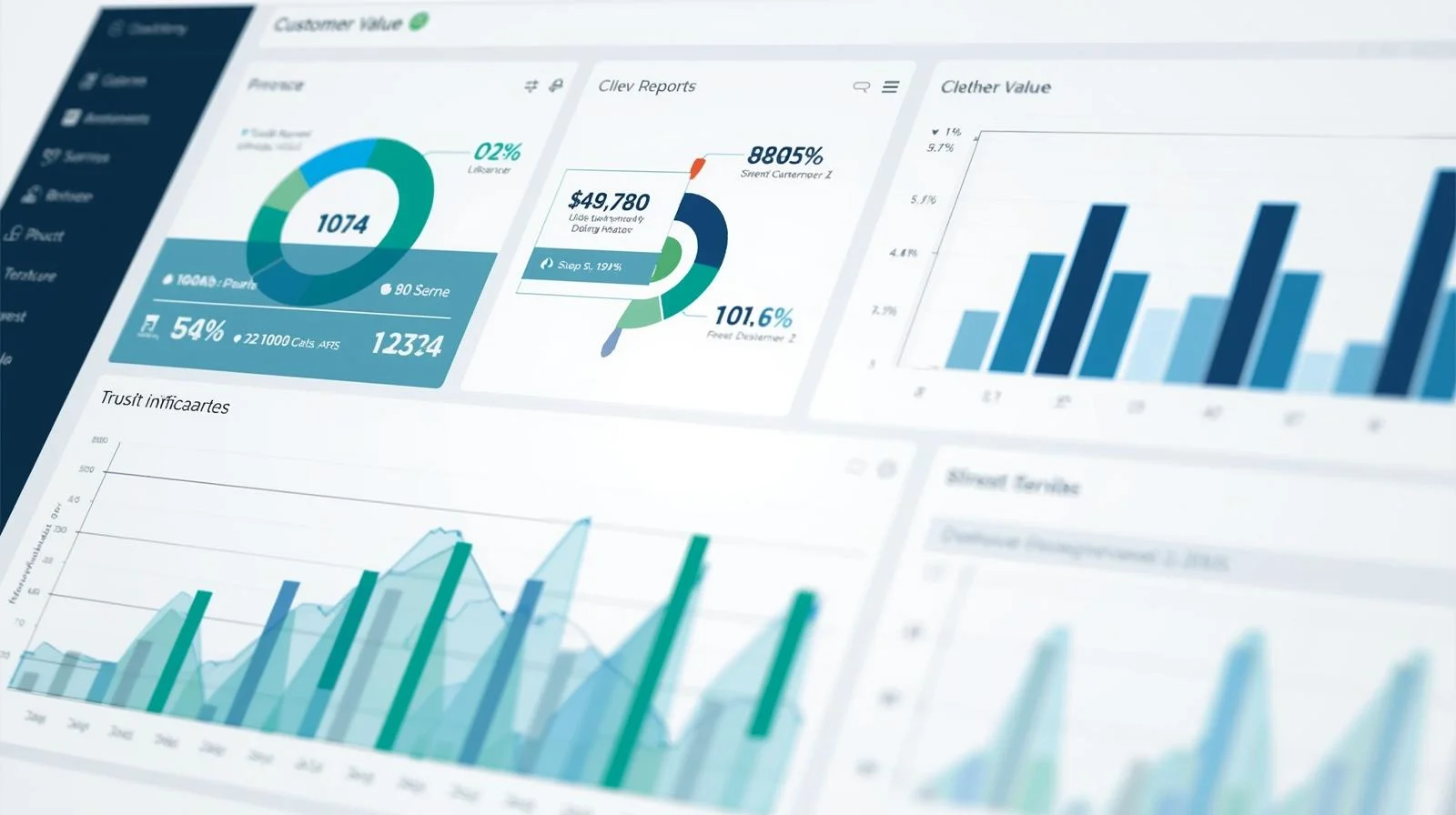
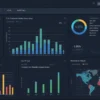
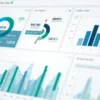
Create interactive dashboards for executives, marketing, and sales teams.
-
Provide KPIs such as:
-
Average CLV per segment.
-
CLV-to-CAC ratio (Customer Acquisition Cost).
-
Churn-adjusted CLV.
-
Revenue contribution by high-value vs. low-value cohorts.
-
-
Enable drill-down views from high-level trends to individual customer profiles.
6. Predictive Insights & Revenue Forecasting
-
Forecast revenue streams based on predicted CLV distributions.
-
Identify at-risk customers whose predicted CLV is declining.
-
Highlight upsell/cross-sell opportunities that can expand lifetime value.
-
Provide “what-if” scenarios (e.g., impact of reducing churn by 10%).
7. Workflow Automation & Alerts
-
Automate alerts when high-value customers show churn risk.
-
Trigger loyalty offers, personalized campaigns, or retention workflows based on CLV segments.
-
Sync CLV data into CRM and marketing automation platforms for real-time use.
-
Route high CLV customers to premium support or dedicated account managers.
8. Performance Tracking & Optimization
-
Track CLV trends over time and benchmark against industry standards.
-
Compare CLV across acquisition channels to optimize budget allocation.
-
Evaluate campaign ROI based on long-term value, not just short-term conversions.
-
Continuously refine predictive CLV models for higher accuracy.
9. Compliance, Security & Governance
-
Ensure CLV reporting complies with GDPR, CCPA, and other privacy laws.
-
Apply strict access controls for sensitive customer financial and behavioral data.
-
Maintain audit trails of model assumptions, data sources, and reporting outputs.
10. Ongoing Support & Scaling
-
Conduct quarterly reviews of CLV models and reporting accuracy.
-
Scale reporting to new regions, business units, or product lines.
-
Retrain AI models to account for seasonality, new products, or customer behavior shifts.
-
Train teams on how to interpret CLV reports and act on insights.
Outcome for Clients:
-
Deeper understanding of customer value across segments and cohorts.
-
Smarter acquisition investments by focusing on high-LTV channels.
-
Higher retention & revenue through proactive engagement of high-value customers.
-
Alignment of marketing, sales, and finance on customer profitability.
-
Stronger forecasting for long-term growth and stability.
Additional services
-
0 $
-
0 $
-
0 $
-
0 $
-
0 $