
Data-driven Chatbot Personalization
-
0 sales
- 367 views
- Save
0 /5.0
User review
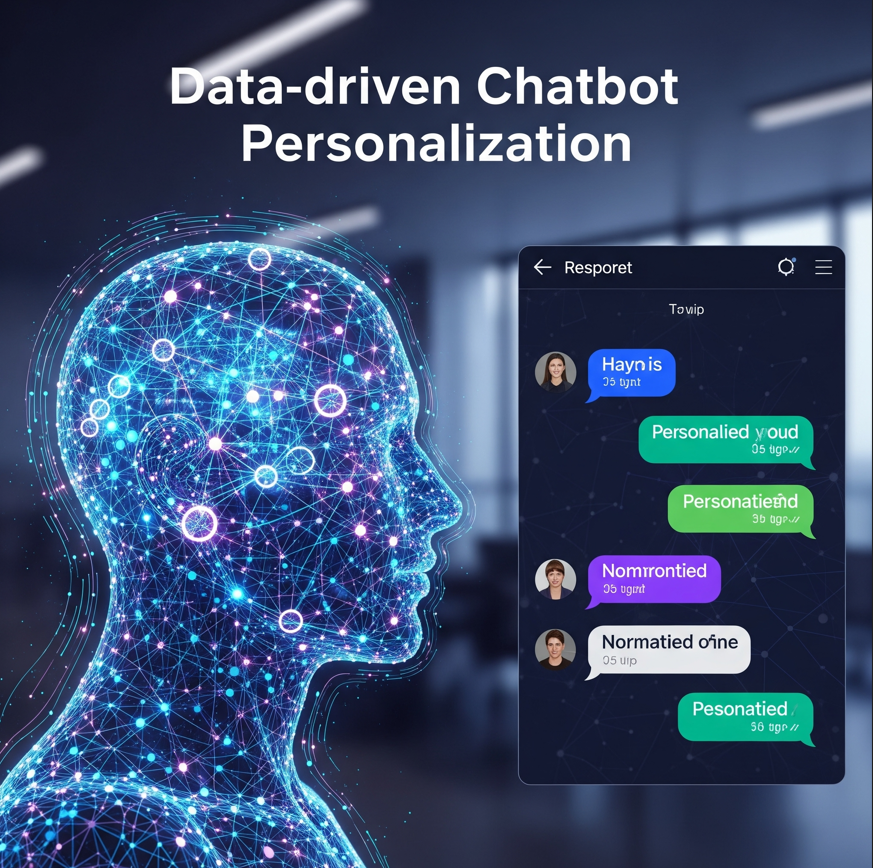
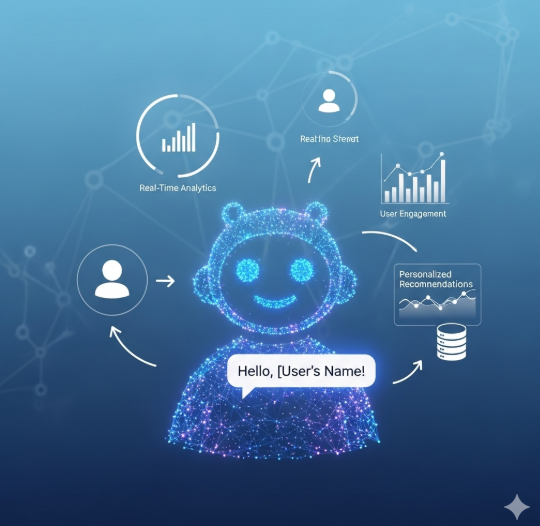

Data-driven Chatbot Personalization
1. Discovery & Assessment
- Audit existing chatbot platforms, customer interaction data, and CRM systems.
- Identify business objectives: improve user engagement, increase conversions, and deliver personalized experiences.
- Map customer journeys, common queries, and key interaction touchpoints.
- Assess available data sources for behavioral, demographic, and transactional insights.
2. Strategy & Planning
- Define personalization goals:
- Tailor chatbot responses based on user behavior, preferences, and history
- Increase lead capture, conversions, and support efficiency
- Enhance user experience through relevant recommendations and guidance
- Establish KPIs: engagement rate, resolution time, conversion rate, and user satisfaction.
- Segment audiences based on behavior, lifecycle stage, location, or past interactions.
3. Data Integration & Mapping
- Integrate chatbot platform with CRM, marketing automation, and analytics systems.
- Map user data, previous interactions, and preferences to inform chatbot responses.
- Ensure secure handling of sensitive customer information.
- Set up real-time data synchronization for up-to-date personalization.
4. Personalization Rules & AI Design
- Develop dynamic response rules based on user attributes, behavior, and interaction history.
- Implement predictive logic to suggest products, content, or next steps.
- Enable contextual responses that adapt to conversation flow and previous touchpoints.
- Incorporate natural language processing (NLP) to improve understanding and personalization.
5. Testing & Quality Assurance
- Conduct scenario-based testing to validate personalized interactions.
- Test across devices, channels, and user segments for consistent experience.
- Ensure fallback responses and escalation paths are in place.
- Verify accuracy of data-driven recommendations and user identification.
6. Analytics & Reporting
- Track metrics such as engagement rate, conversation duration, resolution rate, and conversions.
- Analyze performance by segment, channel, or campaign.
- Provide dashboards for marketing, sales, and support teams.
- Use insights to refine chatbot behavior and personalization rules.
7. Optimization & Continuous Improvement
- Continuously refine personalization logic based on performance metrics and user feedback.
- Update conversation flows, response rules, and predictive models regularly.
- Test new approaches for upselling, cross-selling, or proactive support.
- Align chatbot personalization with evolving marketing and customer success strategies.
8. Ongoing Monitoring & Support
- Monitor chatbot interactions, personalization accuracy, and system performance.
- Maintain integrations, data pipelines, and AI models.
- Provide training and documentation for teams managing chatbot operations.
- Conduct periodic audits to ensure personalization relevance, compliance, and security.
Value Delivered
- Personalized, context-aware chatbot interactions that enhance user experience.
- Increased engagement, conversions, and lead generation through targeted recommendations.
- Streamlined support and sales workflows with data-driven insights.
- Continuous improvement through analytics and feedback-driven optimization.
- Scalable solution supporting multi-channel chatbot deployment and evolving customer needs.
Additional services
-
0 $
-
0 $
-
0 $
-
0 $
-
0 $