
Advanced Sales Forecasting Automation
-
0 sales
- 284 views
- Save
0 /5.0
User review
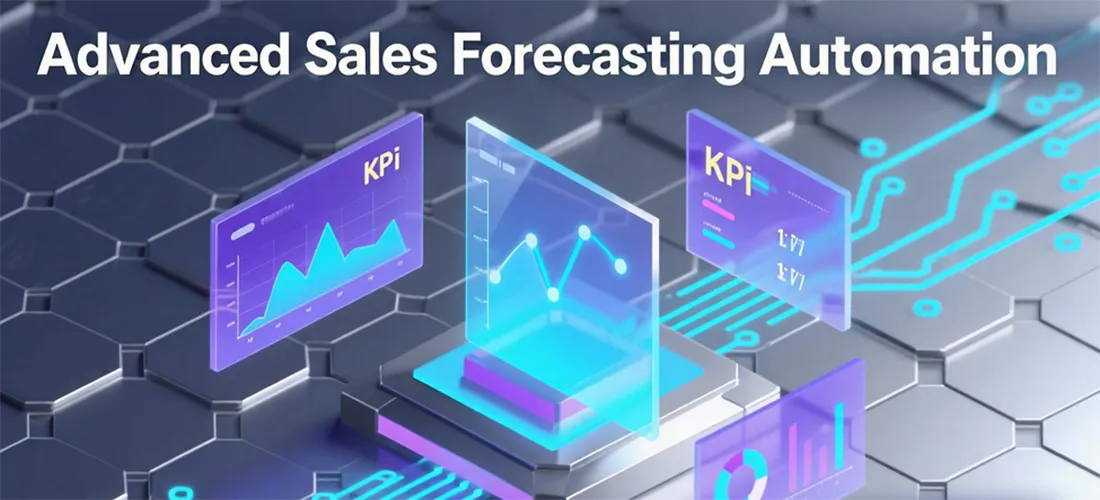
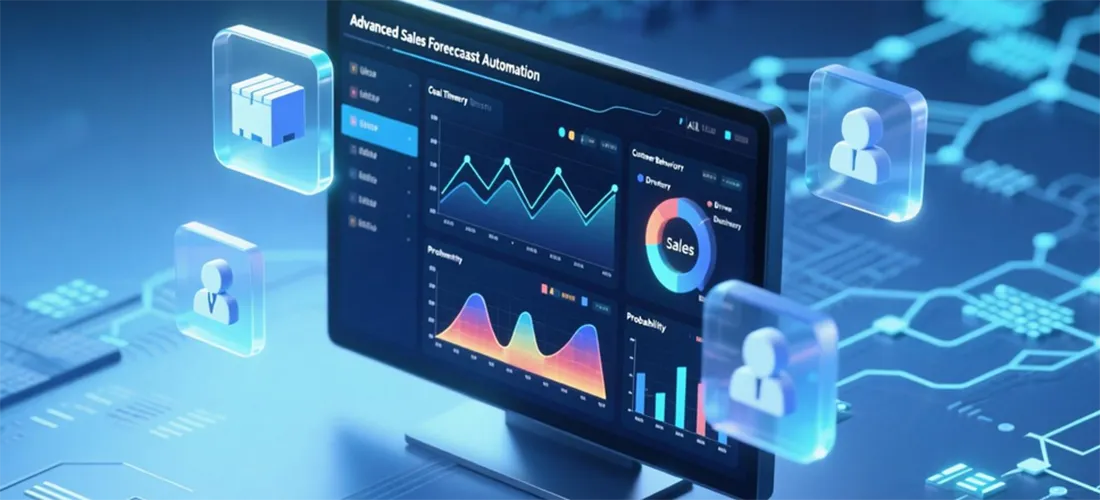

Scope of Work: Advanced Sales Forecasting Automation
1. Discovery & Audit
- Review current sales processes, historical data, and forecasting methods.
- Audit CRM, ERP, and analytics platforms to assess integration readiness.
- Identify business goals: revenue predictability, pipeline visibility, resource planning, and growth optimization.
- Map sales stages, deal values, and historical performance metrics.
2. Strategy & Planning
- Define forecasting models:
- Time-series analysis
- Regression-based predictive models
- AI/ML-driven sales predictions
- Opportunity-stage weighted forecasting
- Identify key inputs: historical sales, pipeline data, seasonality, marketing campaigns, customer behavior, and external market trends.
- Establish KPIs: forecast accuracy, deal velocity, pipeline coverage, win rate, and revenue variance.
3. Data Integration & Preparation
- Consolidate data from CRM, ERP, marketing automation, and other relevant systems.
- Clean, standardize, and enrich sales and customer data.
- Set up real-time or scheduled data pipelines for continuous forecasting updates.
- Ensure proper data mapping between systems for accurate modeling.
4. Forecasting Engine Configuration
- Implement predictive models using selected methodology (AI/ML, statistical, or rule-based).
- Configure scenario planning and simulations for best-case, worst-case, and expected outcomes.
- Enable dynamic updates based on real-time changes in deals, leads, and customer interactions.
- Integrate with CRM to reflect forecasted revenue, probability, and pipeline insights.
5. Workflow Automation
- Automate updates to sales dashboards and CRM records with forecasted data.
- Trigger alerts and notifications for pipeline gaps, at-risk deals, or over/underperformance.
- Enable automated recommendations for sales reps to prioritize deals and actions.
- Schedule periodic reports for management and executives.
6. Testing & QA
- Validate forecasting accuracy against historical data.
- Test automated updates and notifications in CRM and dashboards.
- Ensure scenario planning reflects realistic variations and business assumptions.
- Confirm integration and data flow across all platforms.
7. Reporting & Analytics
- Build dashboards for pipeline visibility, forecast accuracy, and revenue projections.
- Track metrics such as:
- Forecasted vs actual revenue
- Deal velocity and stage conversion rates
- Pipeline coverage and gaps
- Forecast accuracy percentage
- Provide drill-down capabilities for sales reps and leadership.
8. Optimization
- Continuously refine forecasting models based on updated sales data.
- Adjust weighting of factors such as deal size, stage, seasonality, and rep performance.
- Implement AI/ML enhancements to improve predictive accuracy over time.
- Align forecasting outputs with marketing and operational planning.
9. Ongoing Monitoring & Support
- Monitor model performance and data quality regularly.
- Update algorithms and workflows as sales processes evolve.
- Provide technical and strategic support for sales management and operations teams.
- Conduct periodic reviews and training sessions for sales forecasting best practices.
Value Delivered
- Accurate, data-driven sales forecasts for better business planning.
- Improved revenue predictability and pipeline visibility.
- Automated workflows reducing manual forecasting efforts.
- Actionable insights for deal prioritization and sales strategy.
- Scalable forecasting system adaptable to business growth and market changes.
Additional services
-
0 $
-
0 $
-
0 $
-
0 $
-
0 $