
Custom CRM Reporting & Attribution Models
-
0 sales
- 289 views
- Save
0 /5.0
User review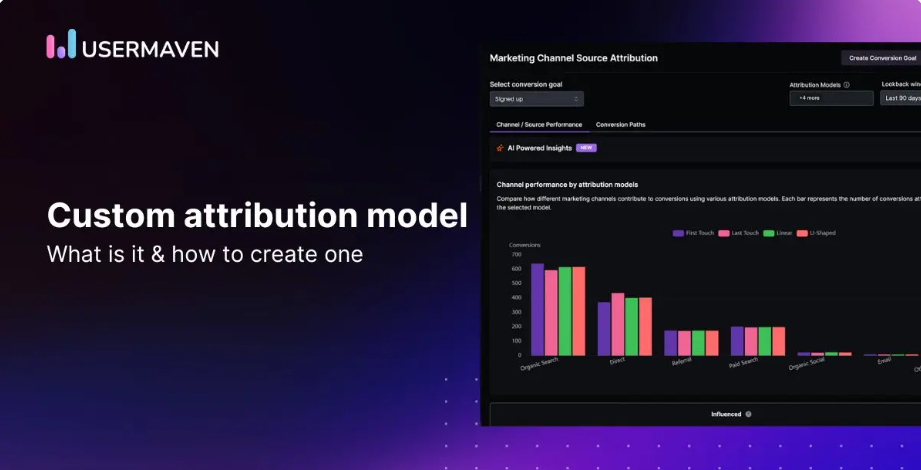

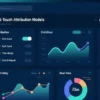
Scope of Work: Custom CRM Reporting & Attribution Models
1. Discovery & Audit
- Review client’s existing CRM setup, reporting capabilities, and analytics tools.
- Audit marketing, sales, and support data sources for completeness and accuracy.
- Identify business goals: measure campaign effectiveness, optimize sales performance, track ROI, and enable data-driven decisions.
- Map key metrics, KPIs, and desired reporting outcomes.
2. Strategy & Planning
- Define reporting objectives:
- Track sales pipeline performance and deal progression
- Monitor marketing campaigns and lead generation efforts
- Measure customer lifecycle metrics (retention, churn, lifetime value)
- Define attribution modeling goals:
- Determine impact of various marketing and sales touchpoints on conversions
- Identify high-performing channels, campaigns, and strategies
- Establish KPIs and benchmarks for performance measurement.
3. Data Integration & Mapping
- Integrate CRM with marketing automation, analytics, e-commerce, and other relevant systems.
- Map all relevant touchpoints and interactions to CRM records.
- Standardize data formats, naming conventions, and fields for consistent reporting.
- Ensure data accuracy and completeness for attribution analysis.
4. Custom Reporting Design
- Design dashboards and reports tailored to business needs:
- Sales pipeline and deal stage reports
- Lead source and campaign performance
- Customer engagement, retention, and lifecycle metrics
- Implement advanced visualizations for executive, sales, marketing, and operations teams.
- Enable real-time, scheduled, or on-demand report generation.
5. Attribution Model Development
- Select or develop appropriate attribution models:
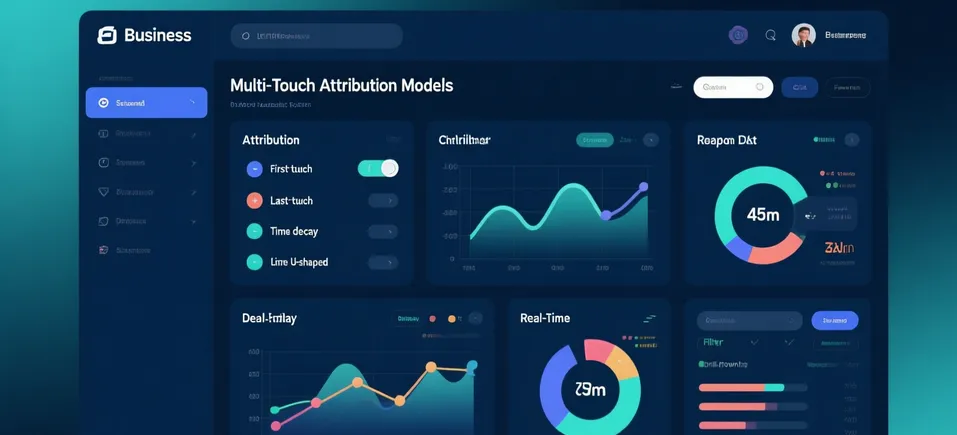
- First-touch, last-touch, multi-touch, time-decay, or custom weighted models
- Map customer journeys and touchpoints for accurate attribution.
- Assign revenue, conversions, or engagement metrics to appropriate channels and interactions.
- Validate model accuracy using historical data.
6. Workflow & Automation
- Automate reporting workflows:
- Scheduled dashboard updates and report distribution
- Trigger alerts for key metrics or anomalies
- Integration with CRM for automatic updates of attribution insights
- Enable segmentation and filtering based on campaign, channel, region, or customer type.
7. Testing & QA
- Validate accuracy of all reports and dashboards.
- Test attribution models against historical and live data for consistency.
- Ensure integration with CRM and other systems is seamless.
- Confirm proper access, permissions, and security for reporting tools.
8. Optimization
- Refine reports and attribution models based on user feedback and performance insights.
- Implement A/B testing to validate model assumptions and adjustments.
- Continuously improve data capture, workflow automation, and reporting efficiency.
- Align insights with marketing, sales, and business strategy for better decision-making.
9. Ongoing Monitoring & Support
- Monitor reporting systems and attribution model performance.
- Update dashboards, models, and integrations as business needs evolve.
- Provide training and documentation for sales, marketing, and analytics teams.
- Conduct periodic audits to ensure data accuracy, relevance, and compliance.
Value Delivered
- Custom reports and dashboards providing actionable insights across marketing, sales, and operations.
- Accurate attribution of revenue and engagement to key touchpoints and campaigns.
- Enhanced decision-making based on data-driven insights.
- Automated reporting and attribution workflows reducing manual effort.
- Scalable framework for evolving business needs, campaigns, and customer journeys.
Additional services
-
0 $
-
0 $
-
0 $
-
0 $
-
0 $