
Dynamic Resource Center Development
-
0 sales
- 282 views
- Save
0 /5.0
User review
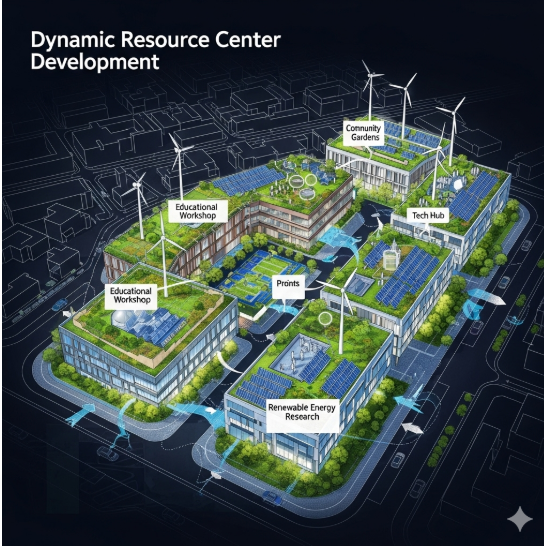




Dynamic Resource Center Development
1. Discovery & Audit
- Review current content assets, knowledge repositories, and resource delivery methods.
- Audit CRM, CMS, and marketing platforms for integration readiness.
- Identify business objectives: centralized content hub, improved user engagement, and self-service support.
- Map user personas and common content needs.
2. Strategy & Planning
- Define objectives for the resource center:
- Centralized access to articles, guides, videos, whitepapers, and case studies
- Personalized content recommendations based on user behavior or role
- Integration with CRM, marketing automation, and analytics
- Establish KPIs: content engagement, downloads, time spent, lead generation, and self-service resolution.
- Plan taxonomy, categories, and tagging strategy for scalable content management.
3. Content Development & Organization
- Create and structure content in a user-friendly format (step-by-step guides, FAQs, multimedia assets).
- Implement tagging, categorization, and metadata for search optimization.
- Enable progressive content display or gated access for lead capture.
4. System Setup & Integration
- Configure resource center platform (CMS or integrated portal) for dynamic content delivery.
- Integrate with CRM, marketing automation, and analytics tools for tracking engagement.
- Implement personalization logic: content recommendations based on user profile, activity, or campaign source.
- Enable role-based access and version control for content updates.
5. Workflow & Automation
- Automate content suggestions within support channels, emails, and in-app experiences.
- Trigger follow-up actions or lead nurturing based on resource engagement.
- Monitor content performance and automate content review or updates.
6. Testing & QA
- Validate navigation, search functionality, and content recommendations.
- Test multi-device responsiveness and load performance.
- Ensure seamless integration with CRM, analytics, and automation platforms.
- Confirm data capture and tracking accuracy.
7. Reporting & Analytics
- Track metrics such as:
- Page views, downloads, and time spent
- User engagement and content popularity
- Lead generation and conversions via gated content
- Search effectiveness and abandoned queries
- Provide dashboards for marketing, support, and product teams.
- Analyze insights to identify content gaps and opportunities for improvement.
8. Optimization
- Refine content recommendations and personalization rules based on engagement data.
- Conduct A/B testing for content layout, formats, and presentation.
- Update and expand content to reflect product updates, campaigns, or user feedback.
- Continuously enhance user experience and discoverability.
9. Ongoing Monitoring & Support
- Monitor system performance, content engagement, and personalization logic.
- Update content, workflows, and integrations as business needs evolve.
- Provide training and documentation for teams managing the resource center.
- Conduct periodic audits to ensure content quality, relevance, and compliance.
Value Delivered
- Centralized, dynamic hub for all resources, improving self-service and engagement.
- Personalized content delivery enhancing user experience and lead conversion.
- Data-driven insights for content strategy, campaign planning, and product support.
- Scalable solution supporting multiple content types, user segments, and channels.
Additional services
-
0 $
-
0 $
-
0 $
-
0 $
-
0 $