
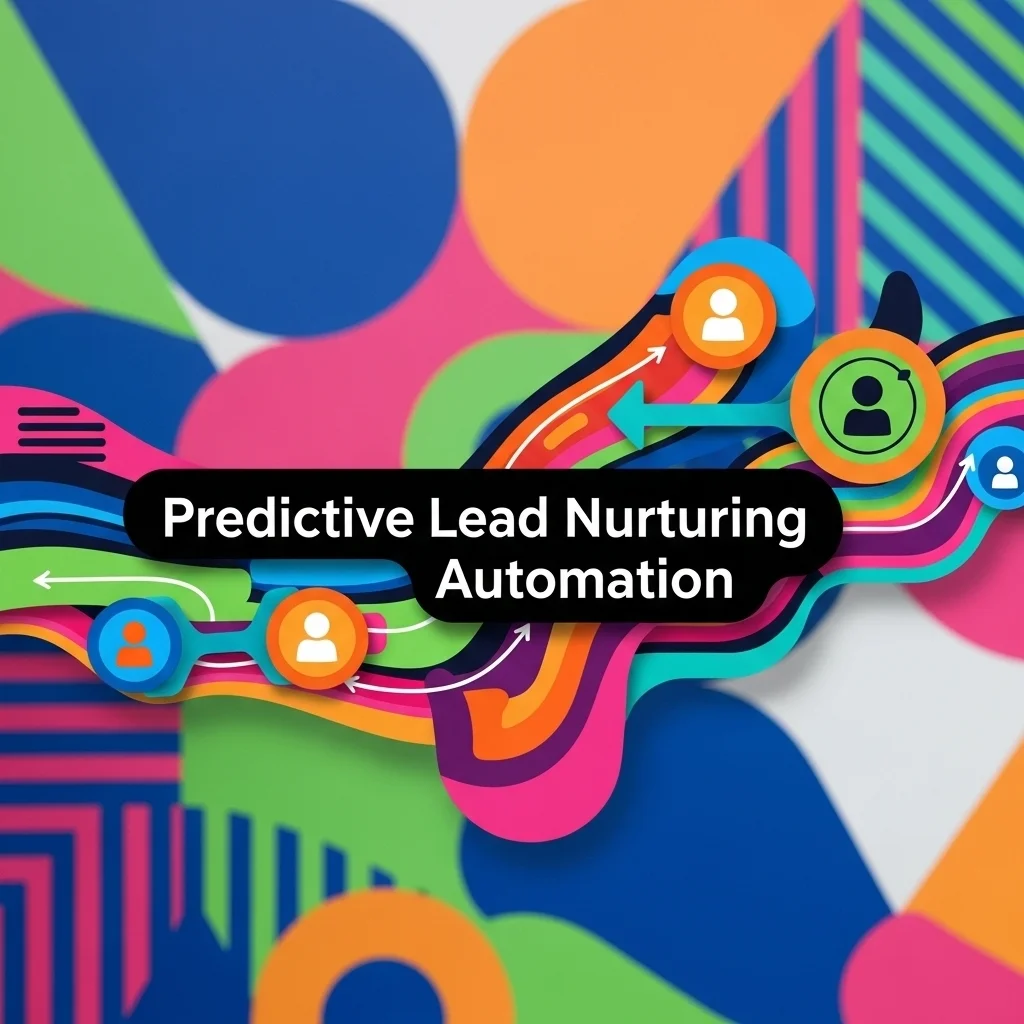
Predictive Lead Nurturing Automation
-
0 sales
- 281 views
- Save
0 /5.0
User review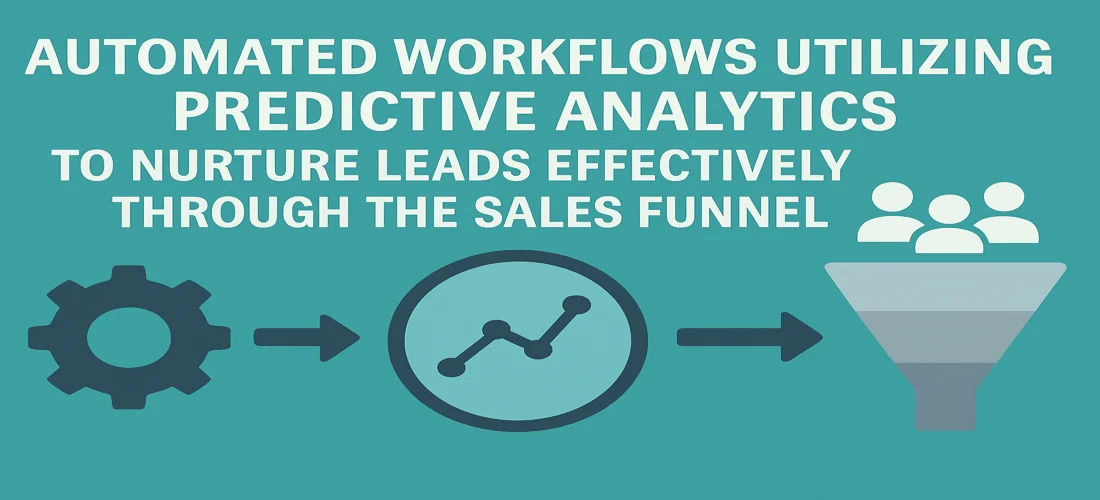




1. Discovery & Strategy Development
-
Conduct a deep-dive into the client’s sales funnel, CRM, and existing lead management processes.
-
Define key buyer personas, journey stages, and common engagement drop-offs.
-
Identify the most relevant data sources (CRM, marketing automation, website, ad platforms, support logs, etc.).
-
Align predictive nurturing goals with business objectives (e.g., increasing conversion rates, shortening sales cycles, improving ROI).
2. Data Integration & Enrichment
-
Integrate disparate data sources (CRM, marketing automation platforms, social media, email, website analytics).
-
Cleanse and normalize data for accuracy and consistency.
-
Enrich lead profiles with behavioral, firmographic, and intent data to improve segmentation.
-
Establish real-time data pipelines to keep lead profiles continuously updated.
3. Predictive Modeling & Scoring
-
Deploy machine learning models to analyze historical data and identify high-converting lead patterns.
-
Implement predictive lead scoring to rank leads by likelihood to convert.
-
Customize scoring models per client (industry, customer lifecycle, sales cycle length).
-
Continuously retrain models to adapt to new market behaviors and campaigns.
4. Automated Lead Segmentation
-
Dynamically segment leads into categories such as hot, warm, and cold based on predictive scores.
-
Build micro-segments (e.g., first-time visitors vs. returning prospects, decision-makers vs. influencers).
-
Apply intent-driven grouping (e.g., research-focused vs. purchase-ready).
5. Personalized Content & Nurture Journey Design
-
Map content to each stage of the funnel, aligned with predictive insights.
-
Automate personalized nurture sequences via email, SMS, chatbots, and social outreach.
-
Deliver contextually relevant touchpoints at the right time (e.g., product demos for high-intent leads, educational content for early-stage leads).
-
Use AI-driven content recommendations for continuous personalization.
6. Workflow Automation & Orchestration
-
Build multi-channel nurture workflows triggered by predictive signals (e.g., engagement drop, readiness spike).
-
Automate task assignments for sales teams when high-priority leads surface.
-
Ensure sales-marketing alignment by syncing lead intelligence across platforms.
-
Create adaptive nurture streams that change dynamically as leads’ predictive scores evolve.
7. Performance Tracking & Optimization
-
Define key KPIs (conversion rates, deal velocity, pipeline growth, marketing ROI).
-
Set up dashboards with real-time insights into lead performance and predictive accuracy.
-
A/B test nurture sequences and refine based on predictive results.
-
Continuously optimize models, messaging, and workflows for higher conversions.
8. Ongoing Support & Scaling
-
Provide regular predictive model audits and recalibration.
-
Train internal client teams on how to interpret predictive scores and insights.
-
Scale automation strategies as lead volume grows or business expands into new markets.
-
Offer continuous improvement through quarterly reviews and roadmap planning.
Outcome for Clients:
-
Higher-quality leads passed to sales.
-
Shorter sales cycles with less manual lead handling.
-
Increased revenue through timely, personalized engagement.
-
Stronger marketing ROI due to predictive targeting.
-
Alignment of sales and marketing around data-driven insights.
Additional services
-
0 $
-
0 $
-
0 $
-
0 $
-
0 $