
Real-Time CRM Data Sync with External Platforms
-
0 sales
- 292 views
- Save
0 /5.0
User review
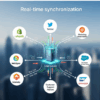

Real-Time CRM Data Sync with External Platforms
1. Discovery & Assessment
- Audit existing CRM data structure, integrations, and workflows.
- Identify business objectives: ensure data consistency, enable real-time insights, and streamline operations across platforms.
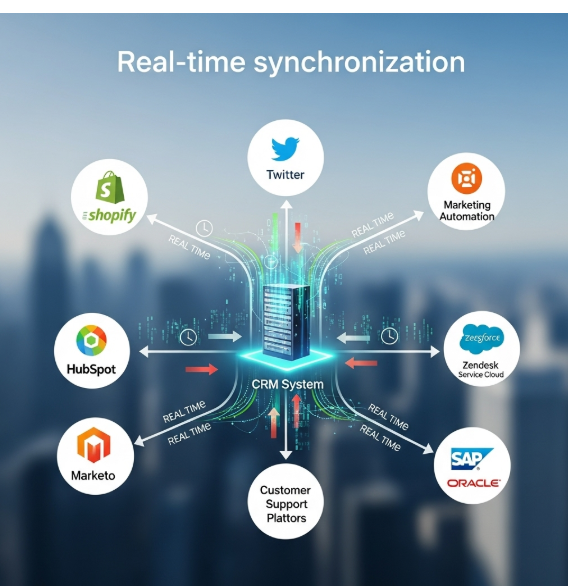
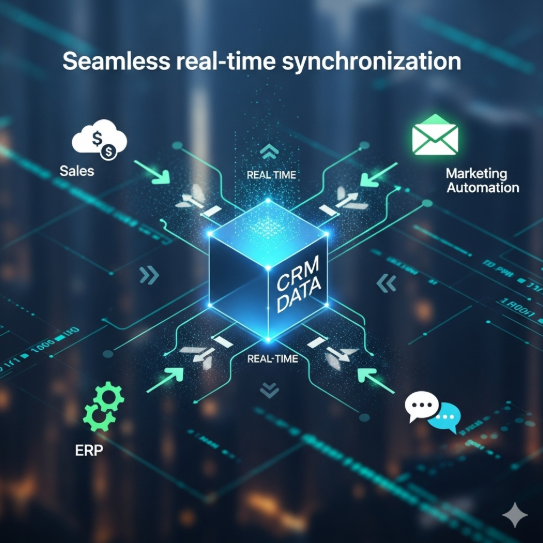
- Map key touchpoints and systems requiring synchronization (e.g., ERP, marketing automation, e-commerce, customer support).
- Assess data quality, frequency of updates, and potential conflicts between systems.
2. Strategy & Planning
- Define goals for real-time data synchronization:
- Maintain accurate, up-to-date information across all integrated platforms
- Enable timely decision-making and automated actions based on current data
- Reduce manual data entry and reconciliation errors
- Establish KPIs: data accuracy rate, sync latency, error rate, and operational efficiency.
- Segment data flows by object type: contacts, leads, deals, products, orders, and interactions.
3. Integration Design & Workflow Setup
- Design real-time data sync workflows with defined triggers, events, and update rules.
- Configure bidirectional or unidirectional sync based on business needs.
- Implement conflict resolution strategies for duplicate or conflicting data entries.
- Include error handling, logging, and alerts for failed or delayed sync operations.
4. Technical Implementation
- Integrate CRM with external platforms using APIs, webhooks, or middleware solutions.
- Enable event-driven synchronization for real-time updates of critical data points.
- Ensure secure data transfer and compliance with privacy regulations (e.g., GDPR, CCPA).
- Test data mapping, field consistency, and transformation rules to maintain integrity.
5. Testing & Quality Assurance
- Test real-time sync across multiple platforms, user scenarios, and data volumes.
- Validate accuracy, latency, and completeness of synchronized data.
- Monitor error handling, logging, and notifications for failed sync attempts.
- Ensure performance and stability under peak loads and high-frequency updates.
6. Reporting & Analytics
- Track metrics: sync success rate, latency, errors, and data discrepancies.
- Provide dashboards for IT, operations, and business teams to monitor integration health.
- Analyze trends to identify bottlenecks, recurring errors, or data quality issues.
- Use insights to optimize synchronization rules, workflows, and system configurations.
7. Optimization & Continuous Improvement
- Refine synchronization rules, triggers, and workflows based on analytics and feedback.
- Test new data objects, fields, and integration points for accuracy and performance.
- Align real-time sync strategy with evolving business processes, platforms, and growth.
- Continuously enhance error handling, security, and compliance measures.
8. Ongoing Monitoring & Support
- Monitor sync performance, data integrity, and system availability.
- Maintain integrations, mappings, and automated workflows.
- Provide technical support and documentation for IT and business teams.
- Conduct periodic audits to ensure real-time synchronization remains accurate, reliable, and compliant.
Value Delivered
- Consistent, accurate, and up-to-date data across all platforms and systems.
- Reduced manual data entry and reconciliation errors.
- Real-time insights enabling faster, data-driven decision-making.
- Enhanced operational efficiency and collaboration between teams.
- Scalable, reliable solution for multi-platform CRM integrations and dynamic business environments.
Additional services
-
0 $
-
0 $
-
0 $
-
0 $
-
0 $