
Smart Marketing Automation Sequences
-
0 sales
- 278 views
- Save
0 /5.0
User review
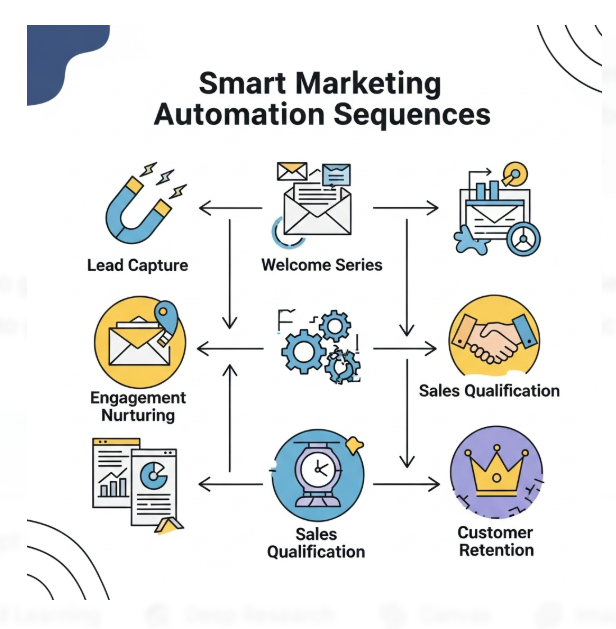
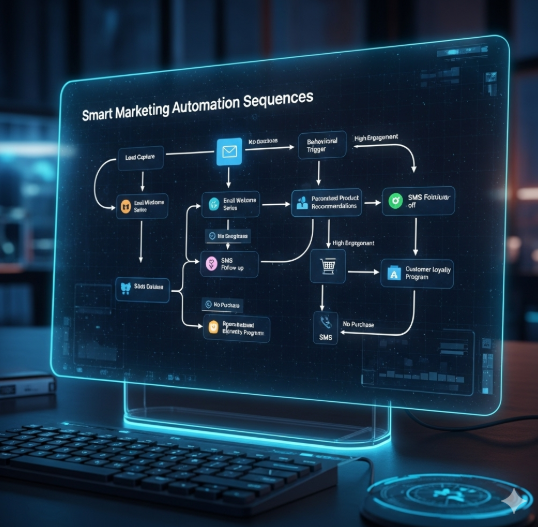

Smart Marketing Automation Sequences
1. Discovery & Assessment
- Audit current marketing automation workflows, campaigns, and engagement strategies.
- Identify business objectives: increase engagement, nurture leads, and drive conversions.
- Map customer journey stages, touchpoints, and behavior triggers.
- Assess CRM, email marketing, and analytics platforms for integration capabilities.
2. Strategy & Planning
- Define goals for automation sequences:
- Deliver timely, personalized communications across multiple channels
- Trigger actions based on behavior, segmentation, and lifecycle stage
- Align marketing efforts with sales goals and business objectives
- Establish KPIs: open/click rates, lead engagement, conversion rates, and campaign ROI.
- Segment audience by behavior, demographics, lifecycle stage, and preferences.
3. Workflow Design & Automation Setup
- Design multi-step sequences for email, SMS, social media, push notifications, and retargeting.
- Implement triggers based on user actions: website visits, form submissions, content downloads, or past purchases.
- Set up conditional logic for personalized messaging, content recommendations, and lead scoring.
- Integrate workflows with CRM and sales systems to ensure seamless handoff of qualified leads.
4. Integration & Technical Configuration
- Connect marketing automation tools with CRM, analytics, e-commerce, and other relevant platforms.
- Configure real-time data sync to track user behavior, engagement, and conversions.
- Implement automated notifications, task assignments, and follow-ups based on workflow rules.
- Ensure secure handling of customer data and compliance with privacy regulations.
5. Testing & Quality Assurance
- Test sequences across channels, segments, and devices to ensure proper execution.
- Validate triggers, personalization, timing, and content delivery.
- Monitor system performance, error handling, and data integrity.
- Adjust workflows for edge cases such as inactive leads, unsubscribes, or bounced messages.
6. Reporting & Analytics
- Track metrics: engagement rates, conversions, workflow progression, and ROI.
- Provide dashboards for marketing, sales, and leadership teams.
- Analyze performance by segment, campaign, and communication channel.
- Use insights to optimize content, timing, segmentation, and workflow logic.
7. Optimization & Continuous Improvement
- Continuously refine sequences based on analytics, A/B testing, and customer behavior.
- Test new content, channels, and triggers to improve engagement and conversion rates.
- Align automation strategies with evolving business goals, campaigns, and audience trends.
- Update lead scoring and segmentation rules to improve targeting and personalization.
8. Ongoing Monitoring & Support
- Monitor automation performance, data accuracy, and workflow execution.
- Maintain integrations, templates, and triggers for consistent operations.
- Provide training and documentation for marketing teams.
- Conduct periodic audits to ensure sequences remain effective, compliant, and aligned with business objectives.
Value Delivered
- Automated, personalized marketing sequences that engage leads and drive conversions.
- Streamlined workflows reducing manual effort and errors.
- Enhanced lead nurturing with timely, relevant messaging across channels.
- Data-driven insights for continuous optimization of campaigns and customer engagement.
- Scalable solution for handling multiple campaigns, segments, and lifecycle stages efficiently.
Additional services
-
0 $
-
0 $
-
0 $
-
0 $
-
0 $